
Prepare in Advance for Summer!
Emporium Hydroponics • March 4, 2026
Don't get caught out last minute!
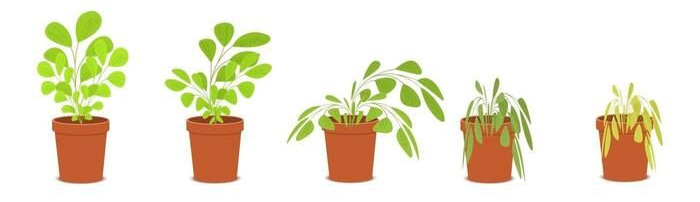
Preparing your hydroponic growroom for summer is a great idea! As temperatures rise, there are a few steps you can take to make sure your system thrives and your plants stay healthy. Here's a checklist for getting your hydroponic growroom ready for the warmer months:
1. Temperature Control
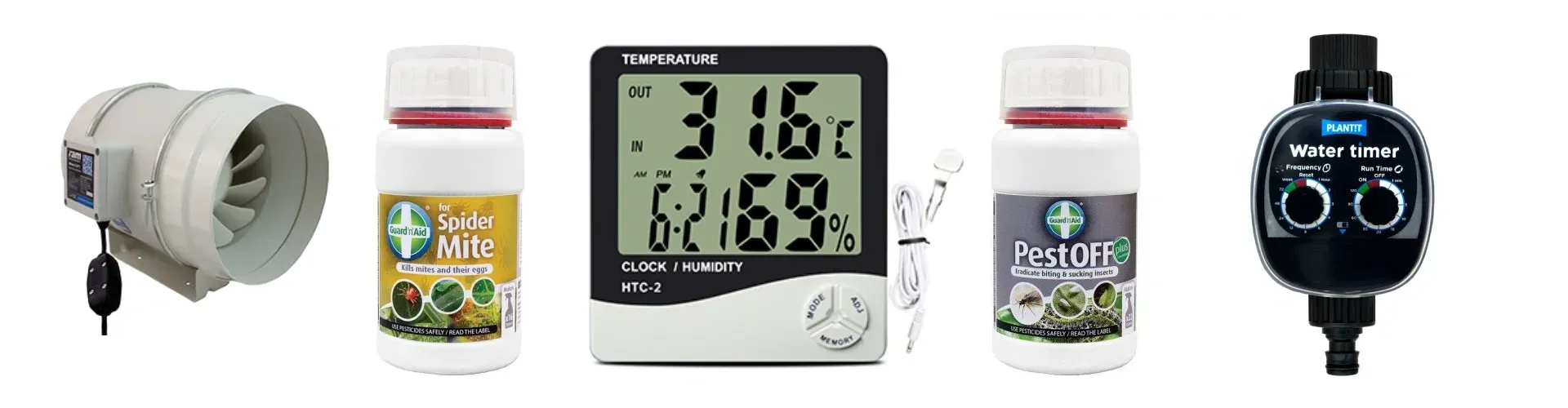
- Check your cooling system: As the weather gets hotter, your grow room temperature can increase. Ensure that your fans, air conditioning, or ventilation system is working effectively.
- Ideal temperature: For most hydroponic plants, 18-24°C (65-75°F) during the day and 13-18°C (55-65°F) at night.
- Increase ventilation: If your grow room gets hot, you may need to increase the airflow. You can install additional fans or increase the speed of your existing ones.
- Air conditioning: If you don't have one, consider getting a small AC unit.
- Use reflective materials: Ensure your grow room is using reflective walls or Mylar to bounce heat away from plants.
2. Light Management
- Adjust light schedules: With longer daylight hours, you might need to adjust your light cycle, especially if you use artificial grow lights. You might want to extend or shorten the photoperiod to ensure optimal plant growth.
- Check light intensity: In summer, sunlight can overpower artificial lights. If you are using supplemental lights, you may need to adjust the light distance to prevent burning your plants.
- Ensure lights are clean: Dust can accumulate on your lights, reducing their efficiency. Clean them regularly for optimal performance.
3. Humidity Levels
- Monitor humidity: Summer heat can dry out the air, affecting your plants' growth. Use a hygrometer to monitor humidity levels and aim for 50-70% depending on the plant type.
- Increase humidity: If it's too dry, you can increase humidity by using a humidifier, placing trays of water around the grow room, or adding a misting system.
- Dehumidify if necessary: If you’re in a very humid area, consider using a dehumidifier to prevent mould growth and excessive moisture.
4. Watering and Nutrient Solution
- Check your water temperature: Warm temperatures can increase the temperature of your nutrient solution. Aim for 18-21°C (65-70°F) to avoid root rot.
- Add coolers or chillers: You can use water chillers or add ice packs to your reservoir to help regulate the water temperature.
- Nutrient concentration: Warmer temperatures can cause faster plant growth, meaning they may need more nutrients. Be sure to adjust the nutrient concentration to match the increased growth rate.
5. Pest Prevention
- Check for pests: Warmer weather brings more bugs. Inspect your plants regularly for common pests like aphids, spider mites, and whiteflies.
- Use pest repellents: Neem oil, insecticidal soap, or beneficial insects like ladybugs or predatory mites can help keep pests at bay.
- Clean and sterilize: Regularly clean your grow room, tools, and hydroponic system to prevent the spread of pests or diseases.
6. Water Source & Quality
- Check your water quality: With summer heat, water evaporation increases, and you may experience more mineral buildup in your system. Monitor your water's pH and EC (electrical conductivity) to ensure your plants get the right nutrients.
- Consider a filtration system: If you're in an area with hard water, using a filtration system like a reverse osmosis filter can help maintain nutrient balance.
7. Prepare for Power Outages
- Backup power: Summer storms or heat waves can cause power outages. Consider having a backup power supply (like a generator) to keep your grow lights, ventilation, and pumps running.
- Battery-powered air pumps: These can keep water circulating in your hydroponic system during brief outages.
8. Plan for Holidays or Absences
- Automated systems: If you plan to be away during the summer, set up automated timers for lights, fans, and watering systems, or consider a remote monitoring system that lets you control your grow room remotely.
- Hydration systems: Make sure your plants won’t go without water. Systems like drip irrigation or self-watering reservoirs can help while you’re gone.
9. Maintain Cleanliness
- Clean your system regularly: In the summer, growth can accelerate, which means biofilm or algae might form more quickly in your system. Make sure to clean your hydroponic setup frequently to avoid clogs and contamination.
10. Monitor Your Plants
- Watch for stress signs: Keep an eye on your plants. Look for signs of heat stress, such as wilting, curling leaves, or yellowing.
- Make adjustments as needed: If plants are showing signs of stress, adjust the environment, watering, or nutrient levels accordingly.