
Using Nutrients in Hydroponic Growrooms
Get the balance right...
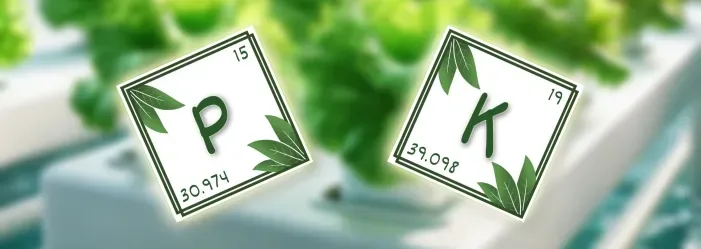
Hydroponic systems rely heavily on the right balance of nutrients to support plant growth since they don’t have soil to provide nutrients. The plants get all their essential elements from a nutrient solution, which is carefully mixed to ensure that each element is available in the right proportion.
Here’s a breakdown of how nutrients are used in hydroponic systems:
1. Macronutrients
These are the primary nutrients that plants need in large quantities for growth:
- Nitrogen (N): Crucial for leaf and stem development. It’s a major component of amino acids and chlorophyll.
- Phosphorus (P): Essential for root development, flowering, and fruiting. It’s part of the ATP (energy currency of the plant).
- Potassium (K): Important for overall plant health, helping with enzyme activation, disease resistance, and water regulation.
- Calcium (Ca): Helps with cell wall structure, root growth, and nutrient uptake.
- Magnesium (Mg): Central component of chlorophyll and necessary for photosynthesis.
- Sulphur (S): Involved in amino acid and protein synthesis, and contributes to overall plant metabolism.
2. Micronutrients
These are needed in much smaller quantities, but they are still essential for plant health:
- Iron (Fe): Vital for chlorophyll formation and energy production.
- Manganese (Mn): Aids in photosynthesis and enzyme activation.
- Zinc (Zn): Plays a role in the production of growth hormones.
- Copper (Cu): Important for photosynthesis and plant respiration.
- Boron (B): Essential for cell wall formation and reproductive growth.
- Molybdenum (Mo): Helps in nitrogen metabolism.
- Chlorine (Cl): Involved in osmosis and photosynthesis.
3. How Nutrient Solutions Are Made
Hydroponic nutrient solutions are typically created by dissolving water-soluble fertilizers (which provide the macronutrients and micronutrients) into water. The concentration of nutrients is measured in parts per million (ppm) or electrical conductivity (EC).
The nutrient solution must be monitored and adjusted regularly to make sure it has the right nutrient balance and pH level (typically between 5.5 and 6.5 for most plants). Too much or too little of a nutrient can lead to deficiencies or toxicities.
4. Types of Hydroponic Nutrient Solutions
- Complete Nutrient Mixes: These contain all the essential nutrients in a balanced ratio, often used in simpler systems like deep water culture or wick systems.
- Custom Nutrient Mixes: Some advanced growers prefer creating their own custom solutions based on the specific needs of their plants. This can be adjusted for different growth phases, such as vegetative or flowering stages.
5. Fertiliser Types in Hydroponics
- Synthetic Fertilisers: These are manufactured fertilisers, containing precise amounts of nutrients. Common examples are calcium nitrate, potassium nitrate, and ammonium phosphate.
- Organic Fertilisers: These are derived from natural sources like compost or fish emulsion. They’re less commonly used in hydroponics, but they can be an option for organic hydroponic systems.
6. Nutrient Deficiencies and Toxicities
- Deficiencies: If plants aren’t getting enough of a particular nutrient, they can exhibit symptoms like yellowing leaves (nitrogen deficiency), poor root growth (phosphorus deficiency), or brown leaf tips (potassium deficiency).
- Toxicities: Too much of a nutrient can also harm plants. For example, excessive nitrogen can cause rapid, weak growth, while too much potassium can interfere with the uptake of other essential nutrients.
7. EC and pH Monitoring
- EC (Electrical Conductivity): Measures the total concentration of dissolved salts (nutrients) in the solution. It helps determine if your plants are getting the right amount of nutrients. Common target EC levels range from 1.5-3.0 for most hydroponic systems.
- pH: Hydroponic plants require a slightly acidic environment (pH between 5.5 and 6.5) for optimal nutrient uptake. pH meters and adjusters are used to maintain the ideal range.