
What Is pH and Why Does It Matter in a Hydroponic Grow Room?
How to check the levels and why it's good to do so
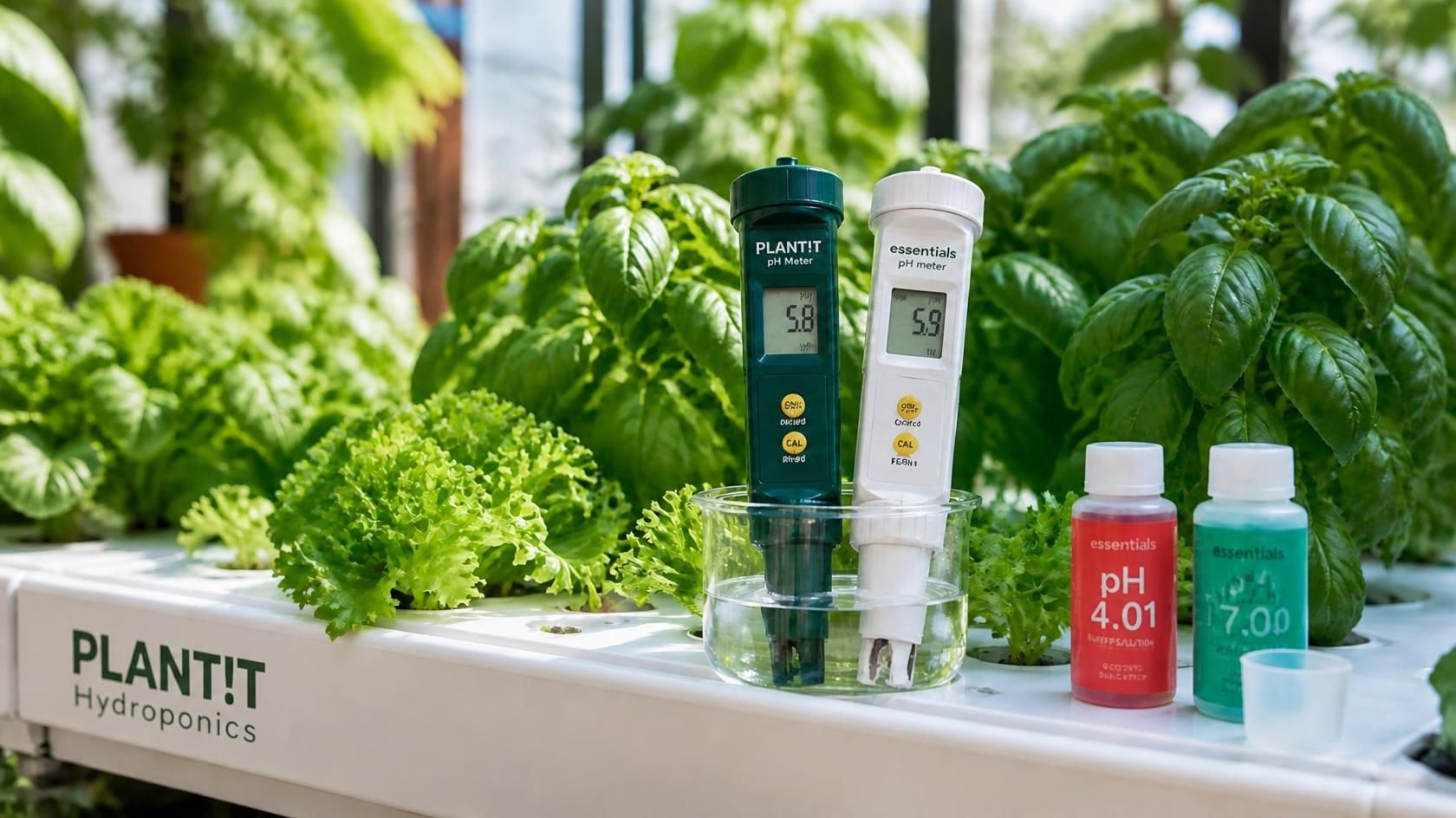
pH is a measure of how acidic or alkaline a solution is, measured on a scale from
0 to 14. A pH of 7 is neutral, values below 7 are acidic, and values above 7 are alkaline.
In hydroponics, pH is particularly important because plants receive their nutrients directly through the water rather than through soil. The pH of the nutrient solution determines how readily different nutrients are available for the plant to absorb.
How pH affects plant growth
When the pH is within the appropriate range, essential nutrients such as
nitrogen, phosphorus, potassium, calcium, magnesium and iron remain sufficiently available to the roots.
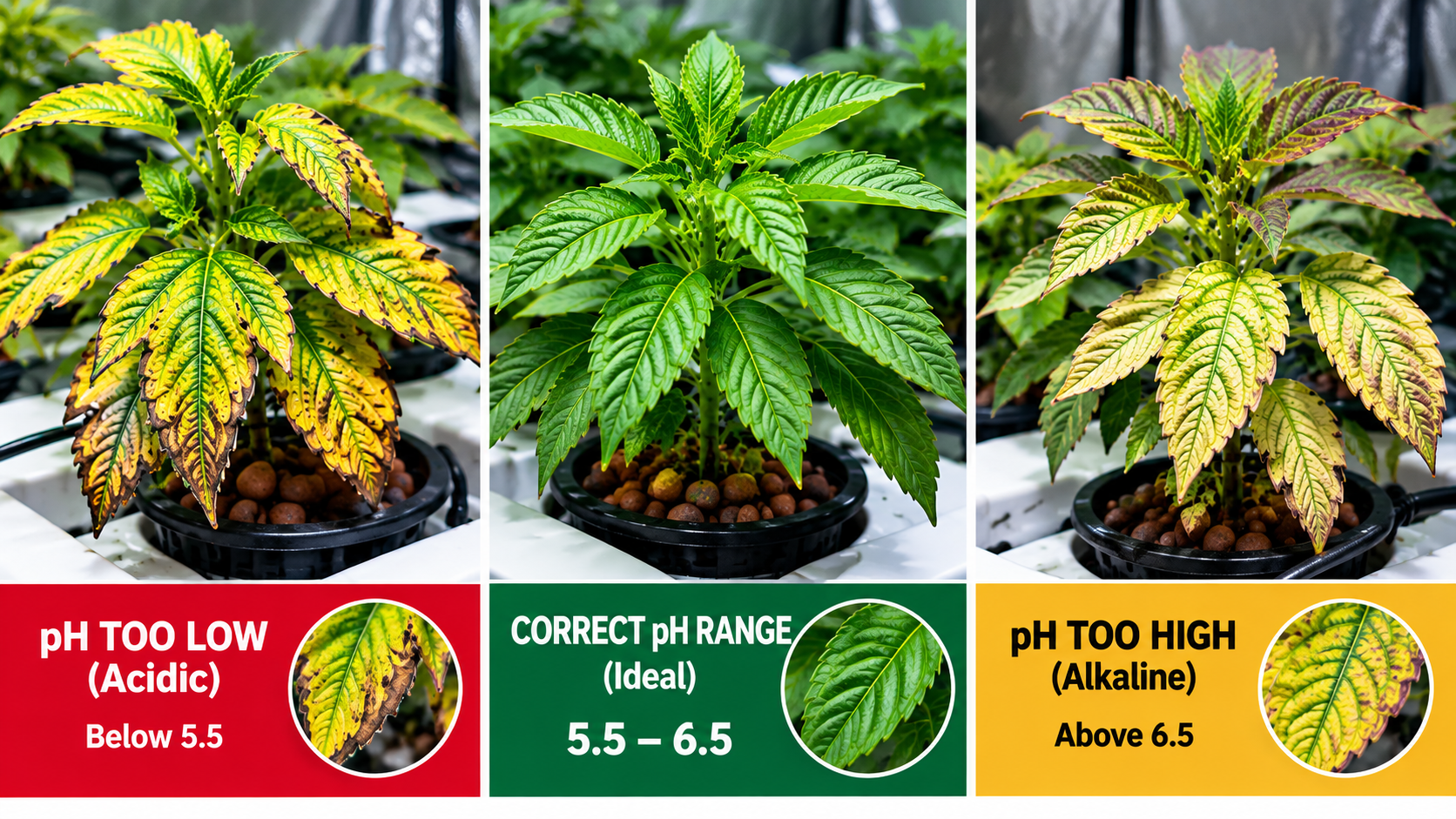
If the pH moves too far outside the appropriate range, nutrients can become less available even though they are physically present in the reservoir. This can result in:
- Slow or stunted growth
- Yellowing or discoloured leaves
- Poor root development
- Nutrient deficiencies or apparent deficiencies
- Reduced flowering and fruit production
- Weaker overall plant development
For many hydroponic systems, a useful general target is around pH 5.5–6.5, although the optimum can vary with the crop, growing medium and hydroponic method. Maintaining a reasonably stable pH is generally more important than constantly trying to achieve one exact number.
How to Monitor pH
The most practical way to monitor pH is with a digital pH meter designed for hydroponic nutrient solutions.
A good routine is:
- Prepare your water and add nutrients according to the manufacturer's instructions.
- Mix the solution thoroughly.
- Allow the solution to settle and mix completely.
- Measure the pH with a calibrated meter.
- Make any necessary adjustment.
- Recheck the solution after it has circulated.
- Continue monitoring regularly rather than making large corrections.
Calibrate your pH meter
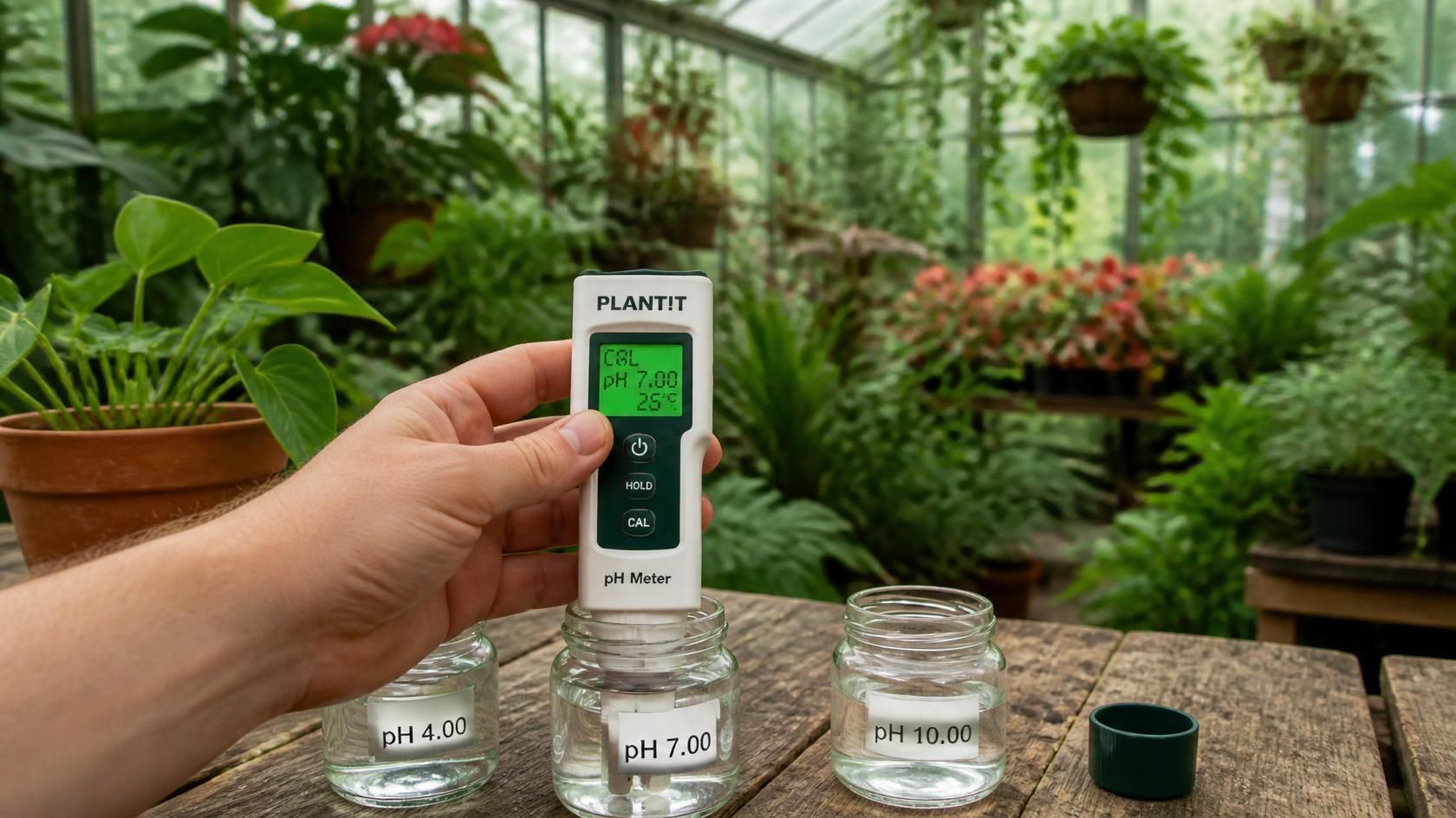
A pH meter is only useful if it is giving accurate readings. Calibrate it regularly using appropriate calibration solutions, commonly pH 4.01 and pH 7.00 buffers.
Keep the electrode clean and follow the manufacturer's storage instructions. Don't allow the probe to dry out, as this can damage the electrode and lead to unreliable readings.
How to Moderate pH
If the pH is too high, a suitable hydroponic pH Down product can be added in small amounts.
If the pH is too low, use a suitable pH Up product.
The important point is to make adjustments gradually. Add a small amount, allow the nutrient solution to circulate thoroughly, then test again. Avoid adding large quantities of pH Up or Down in an attempt to correct the solution immediately.
It's also worth remembering that pH can naturally drift. Factors including water quality, nutrient uptake, root activity, temperature and the particular nutrient formulation can all influence the reading.
Don't chase the number
A common mistake is repeatedly adjusting the reservoir every time the pH moves slightly.
Instead, look for the trend.
For example, if your solution gradually moves from 5.8 to 6.1 over time, that may simply be normal system behaviour. If it is rapidly moving from one extreme to another, investigate the underlying cause rather than continually adding pH adjusters.
pH and EC Work Together
For a well-managed hydroponic grow room, pH shouldn't be considered in isolation.
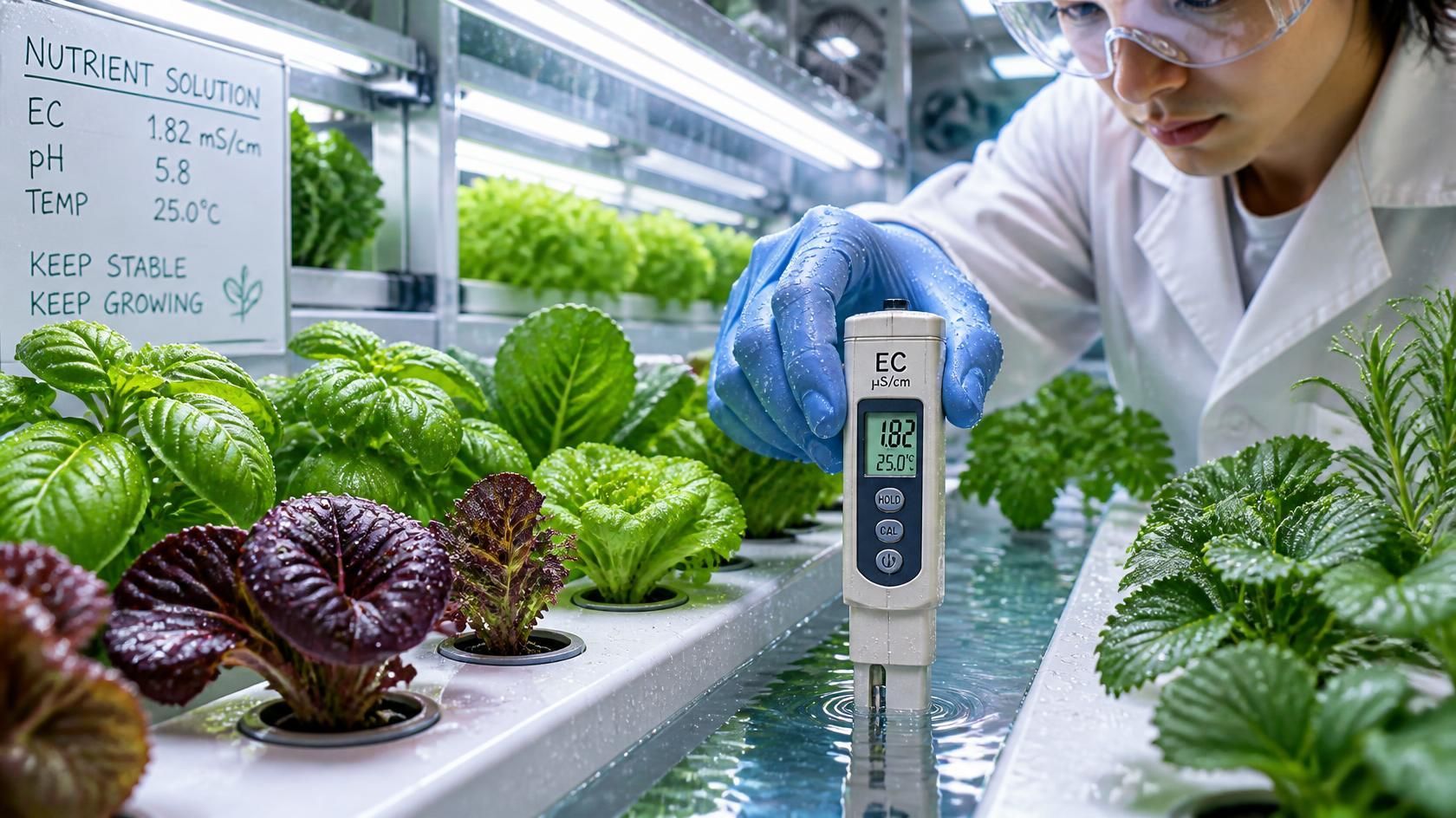
pH tells you about nutrient availability, while EC (electrical conductivity) provides an indication of the concentration of dissolved nutrients.
Monitoring both gives you a much better picture of what's happening in the reservoir.
A useful routine is therefore:
Water → nutrients → EC → pH → circulation → recheck
Keep records of your pH and EC readings. Patterns over several days can reveal changes in nutrient consumption or problems with the reservoir much earlier than visual symptoms on the plants.
Key takeaway
Stable pH + appropriate nutrient concentration + good water quality = a much better environment for consistent hydroponic growth.
The best approach is to use a reliable, regularly calibrated pH meter, monitor the reservoir consistently, make small adjustments when necessary, and pay attention to trends rather than constantly trying to force the solution to one exact pH.